Sidewalk Hazard Removal Cost Overview
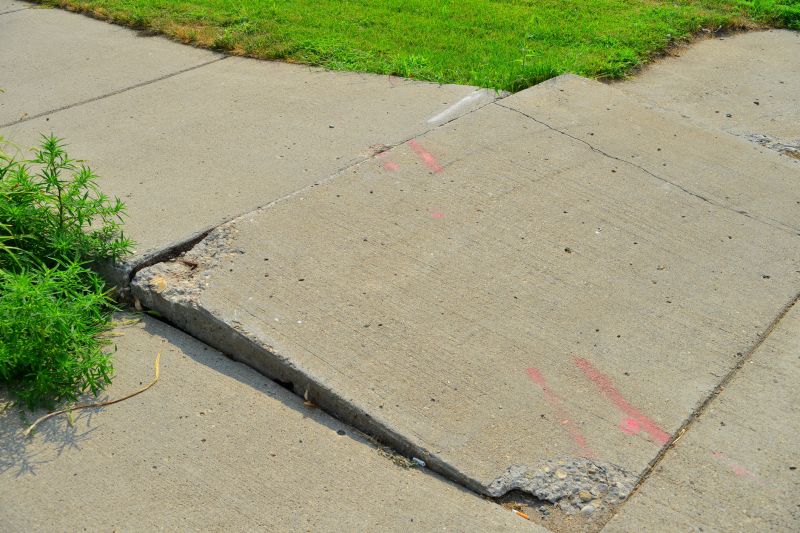
Larger or more severe hazards typically require more labor and materials, increasing costs.
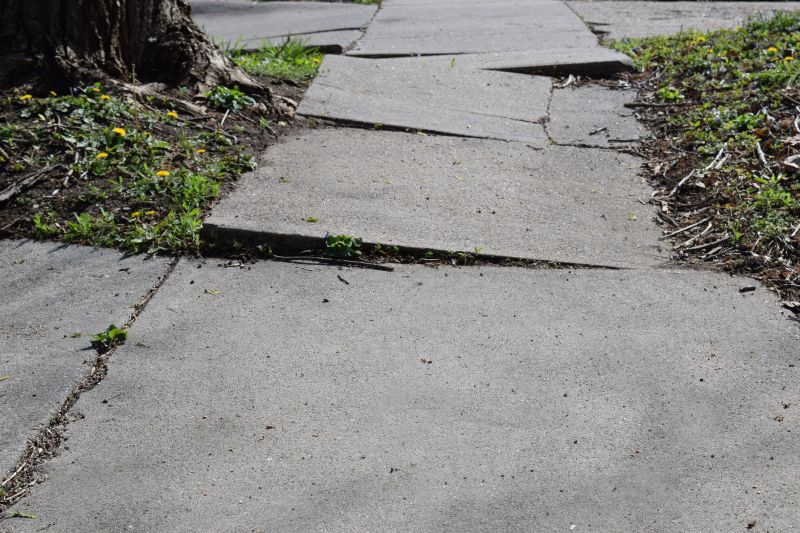
Different sidewalk materials, like concrete or asphalt, influence removal and replacement expenses.
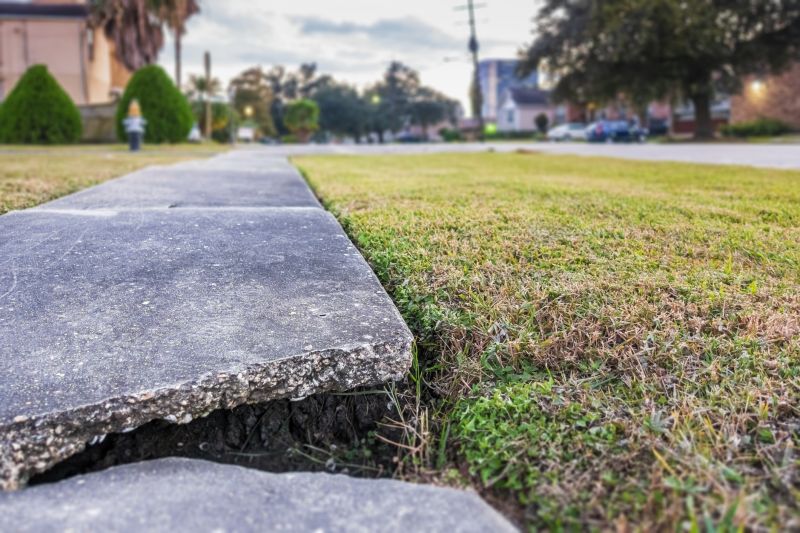
Factors such as location, accessibility, and required permits can add to the overall cost.
| Factor | Impact on Cost |
|---|---|
| Size of Hazard | Larger hazards increase labor and material costs. |
| Type of Material | Concrete hazards tend to be more costly to remove than asphalt. |
| Accessibility | Difficult-to-reach areas can add to labor expenses. |
| Permits Required | Permitting can add to administrative and processing costs. |
| Location | Urban areas may incur higher costs due to regulations and accessibility. |
Factors such as local labor rates, material prices, and project-specific challenges further influence the total expense. Understanding these elements helps in setting realistic budgets and timelines for sidewalk hazard remediation projects.
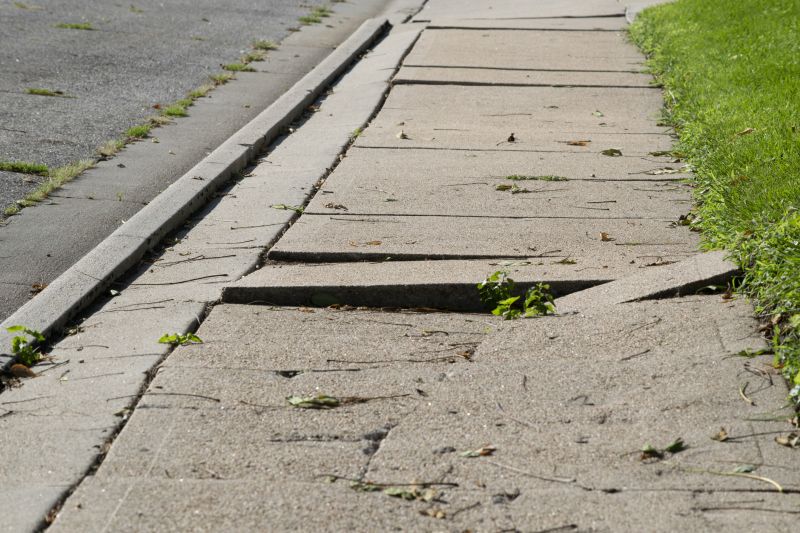
Addressing small cracks is usually less costly and involves surface patching or sealing.
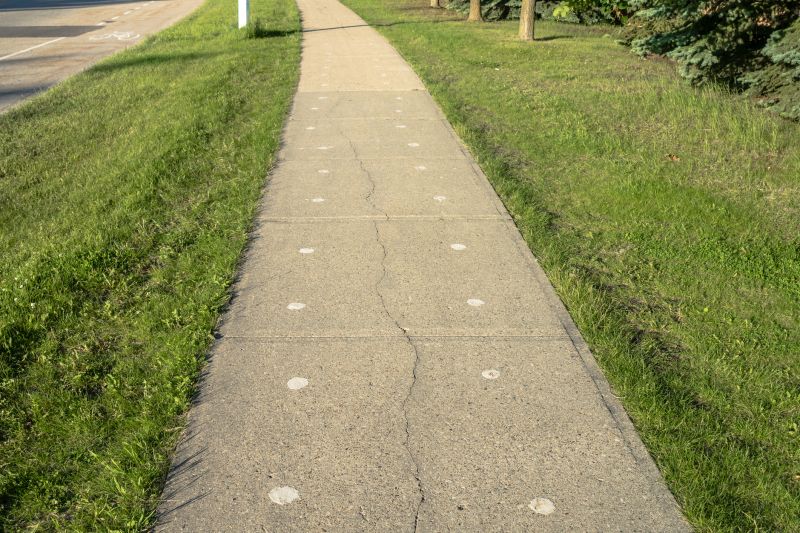
Leveling uneven sidewalks may require grinding or raising sections, affecting costs based on the extent.
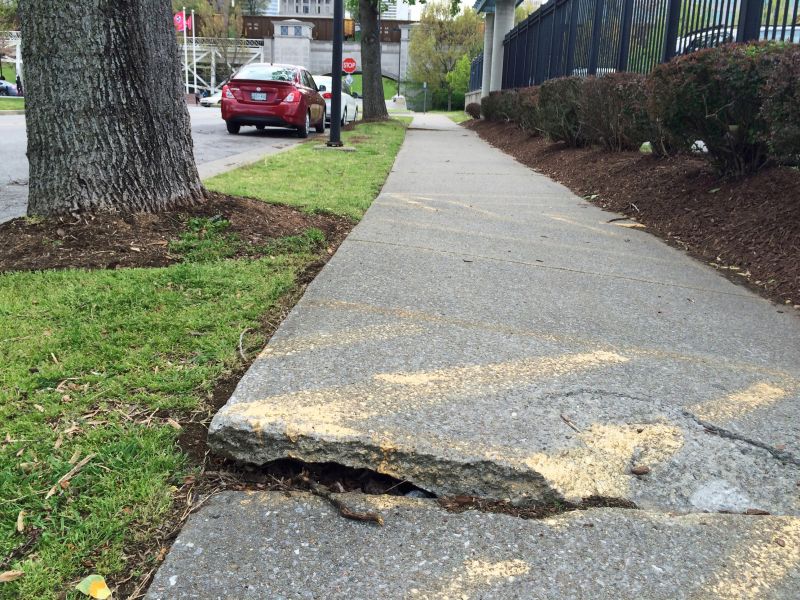
Extensive damage often necessitates full removal and new installation, leading to higher expenses.
| Service | Average Cost Range |
|---|---|
| Crack Filling | $200 - $500 per section |
| Sidewalk Leveling | $1,000 - $3,000 per project |
| Full Sidewalk Replacement | $4,000 - $10,000 per project |
| Hazard Removal and Repair | $500 - $2,500 per hazard |
| Concrete Resurfacing | $2,000 - $5,000 per area |
| Asphalt Patchwork | $300 - $800 per patch |
| Permitting and Inspection | $200 - $1,000 |
| Site Cleanup | $100 - $300 |