Sidewalk Hazard Removal for Pedestrian Safety
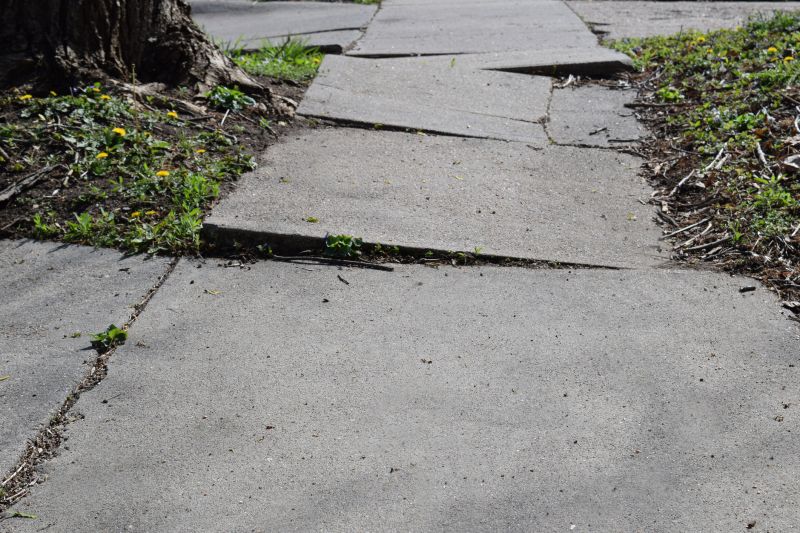
Spring is ideal for sidewalk hazard removals due to moderate weather conditions and increased outdoor activity.
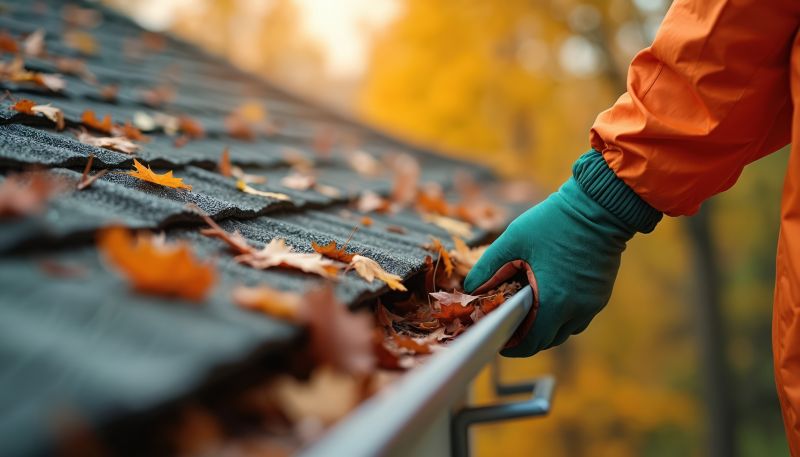
Fall allows for repairs before winter, reducing the risk of hazards during icy conditions.

Summer offers long daylight hours and warm weather, facilitating efficient hazard removal projects.

Winter is less suitable due to cold temperatures and potential snow cover, complicating hazard removal.
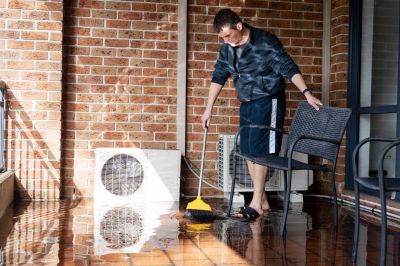
Following severe weather events, timely hazard removal is crucial to prevent accidents.
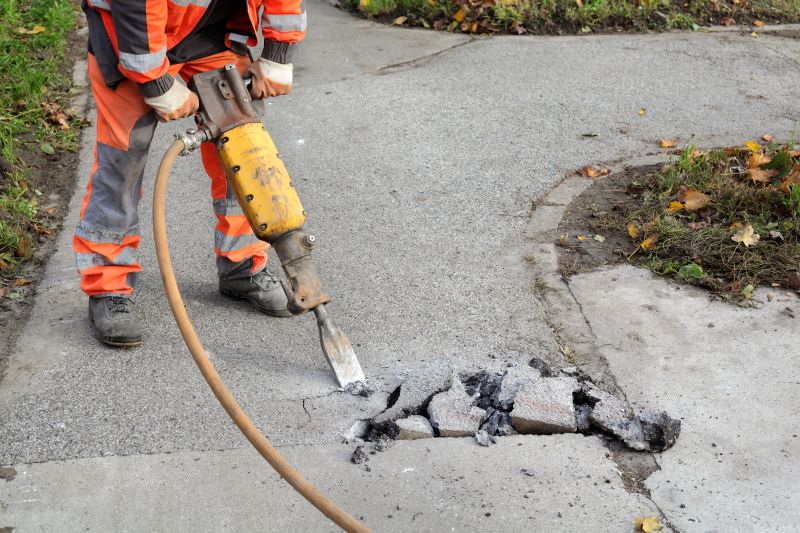
Regular scheduled inspections and removals ensure sidewalk safety year-round.
Sidewalk hazard removals are essential for maintaining pedestrian safety and accessibility. Hazards such as cracks, uneven surfaces, and obstructions can lead to trips and falls, resulting in injuries and liability concerns. Conducting hazard removals at optimal times ensures minimal disruption and effective repairs. Seasonal considerations play a significant role in scheduling, with weather conditions influencing the safety and efficiency of removal activities.
Statistics indicate that over 60% of pedestrian injuries related to sidewalk hazards occur during adverse weather conditions or when hazards are left unaddressed for extended periods. Regular inspections and timely hazard removals can significantly reduce these incidents. Proper planning around seasonal weather patterns ensures that hazard removal efforts are both safe and effective, preventing accidents and promoting pedestrian safety.
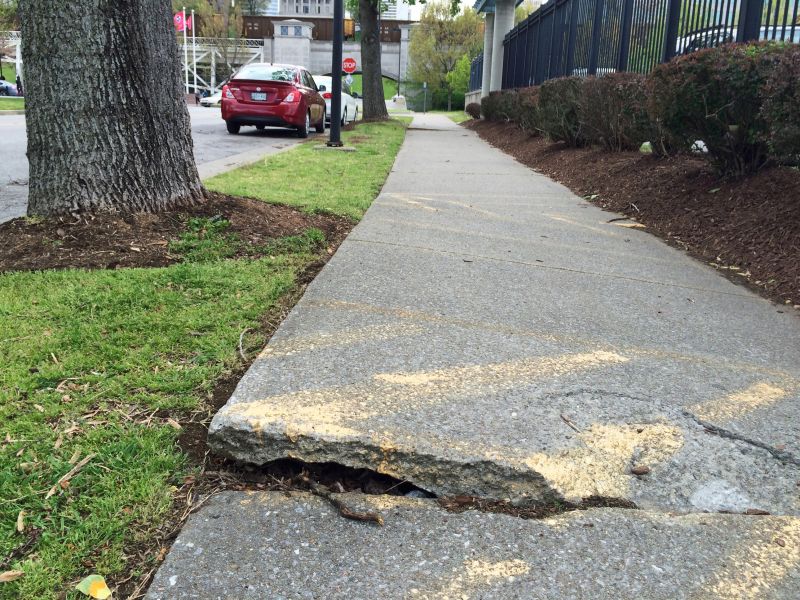
Fixing cracks prevents further deterioration and reduces trip hazards.

Leveling uneven sidewalks restores safety and accessibility.
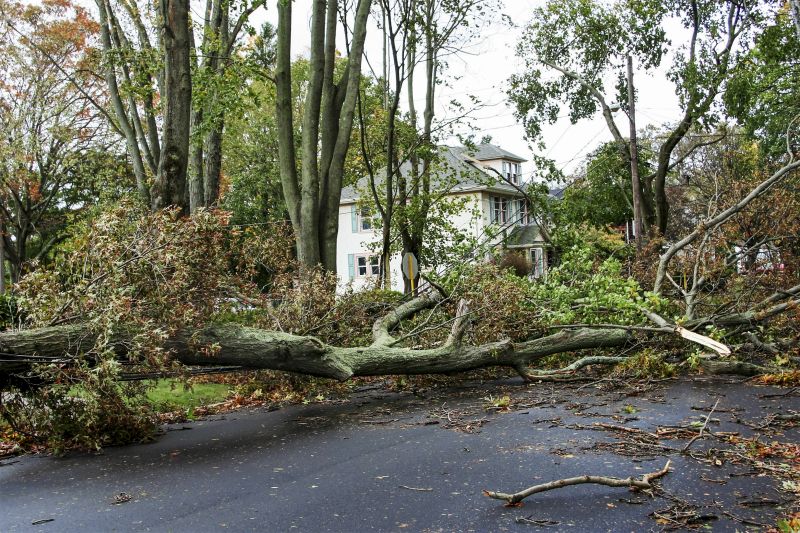
Removing debris and obstructions ensures clear pathways.
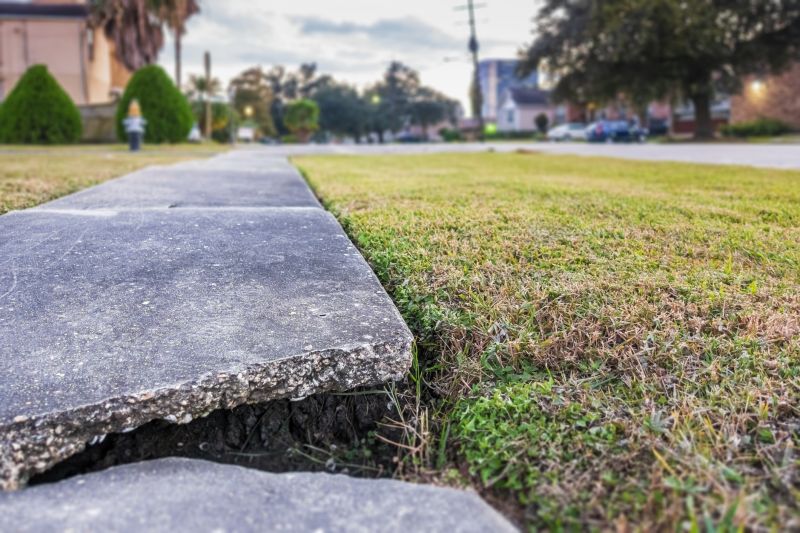
Replacing damaged sections maintains structural integrity.
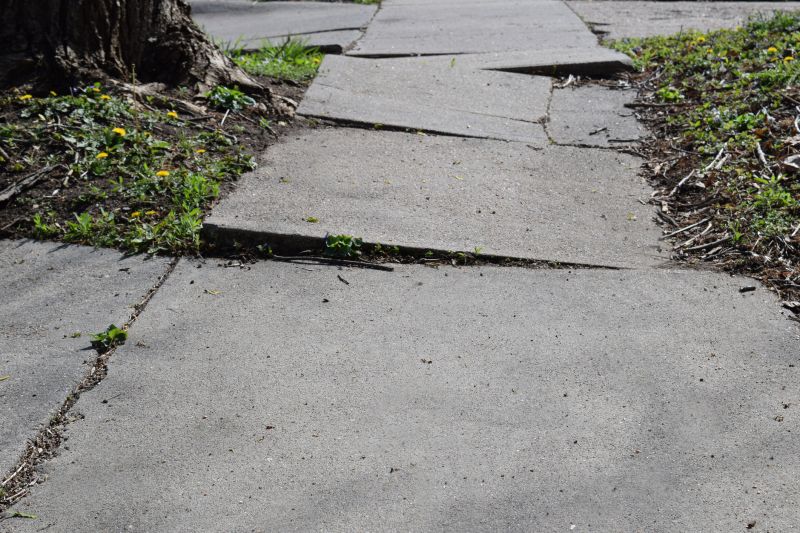
Managing tree roots prevents sidewalk uplift and cracking.
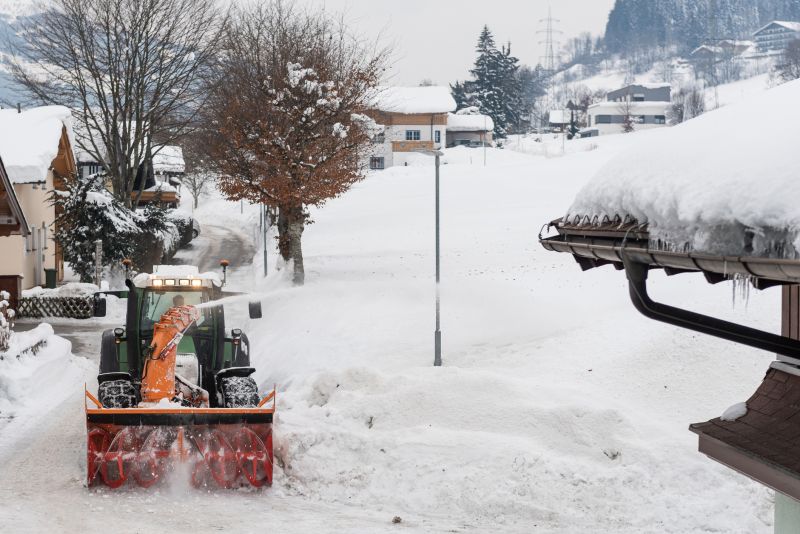
Timely removal during winter prevents slip hazards.

Regular checks identify hazards early for prompt action.
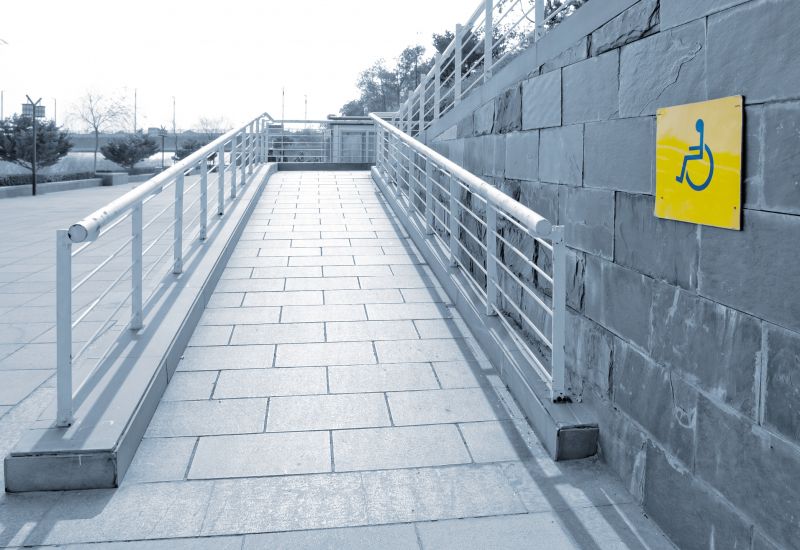
Ensuring sidewalks meet accessibility standards.
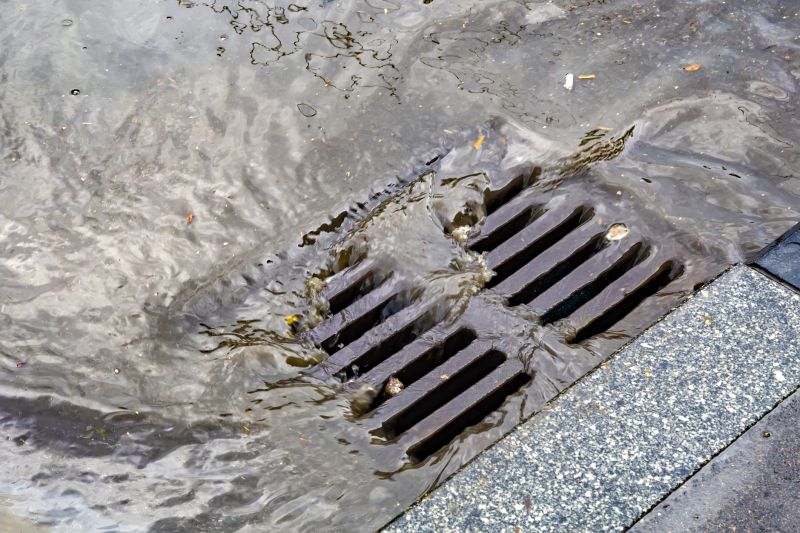
Proper drainage prevents water accumulation and ice formation.
| Season | Optimal Activities |
|---|---|
| Spring | Inspection, crack sealing, surface leveling |
| Summer | Major repairs, surface resurfacing |
| Fall | Pre-winter repairs, hazard assessments |
| Winter | Limited repairs, emergency hazard removal |
Timely sidewalk hazard removals improve safety and reduce liability risks. Scheduling repairs during favorable weather conditions enhances work quality and safety for crews. Regular maintenance cycles help identify hazards early, preventing more extensive damage and costly repairs in the future.
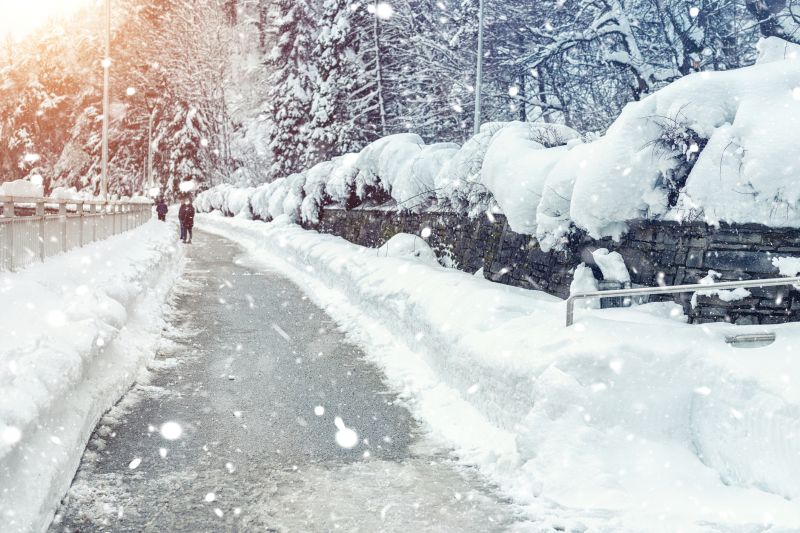
Proper removal ensures safe pedestrian routes.

Addressing hazards promptly during winter reduces accidents.
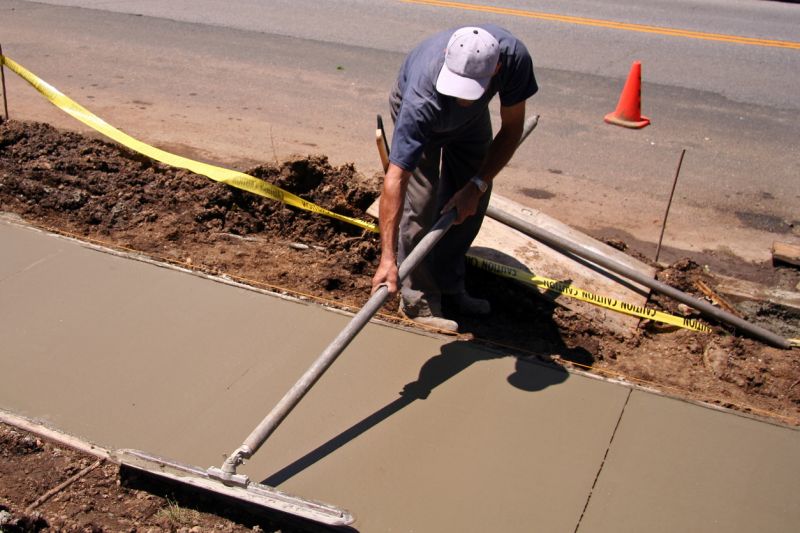
Immediate hazard removal after storms prevents injuries.
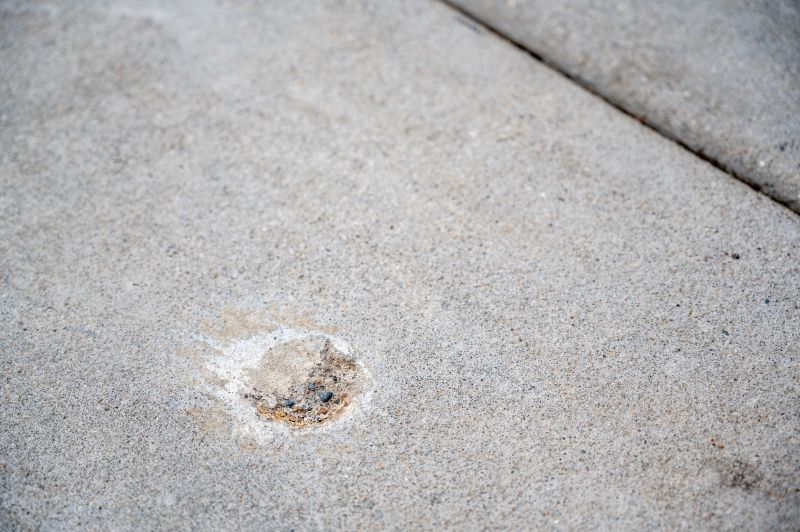
Regular inspections maintain sidewalk safety.
Interested in sidewalk hazard removal services? Filling out the contact form provides an opportunity to discuss scheduling, project scope, and specific needs to ensure pedestrian safety and compliance standards are met effectively.
Simple add-ons that improve Sidewalk Hazard Removals without blowing the budget.
High-end options that actually feel worth it for Sidewalk Hazard Removals.
Finishes and colors that play nicely with Sidewalk Hazard Removals.